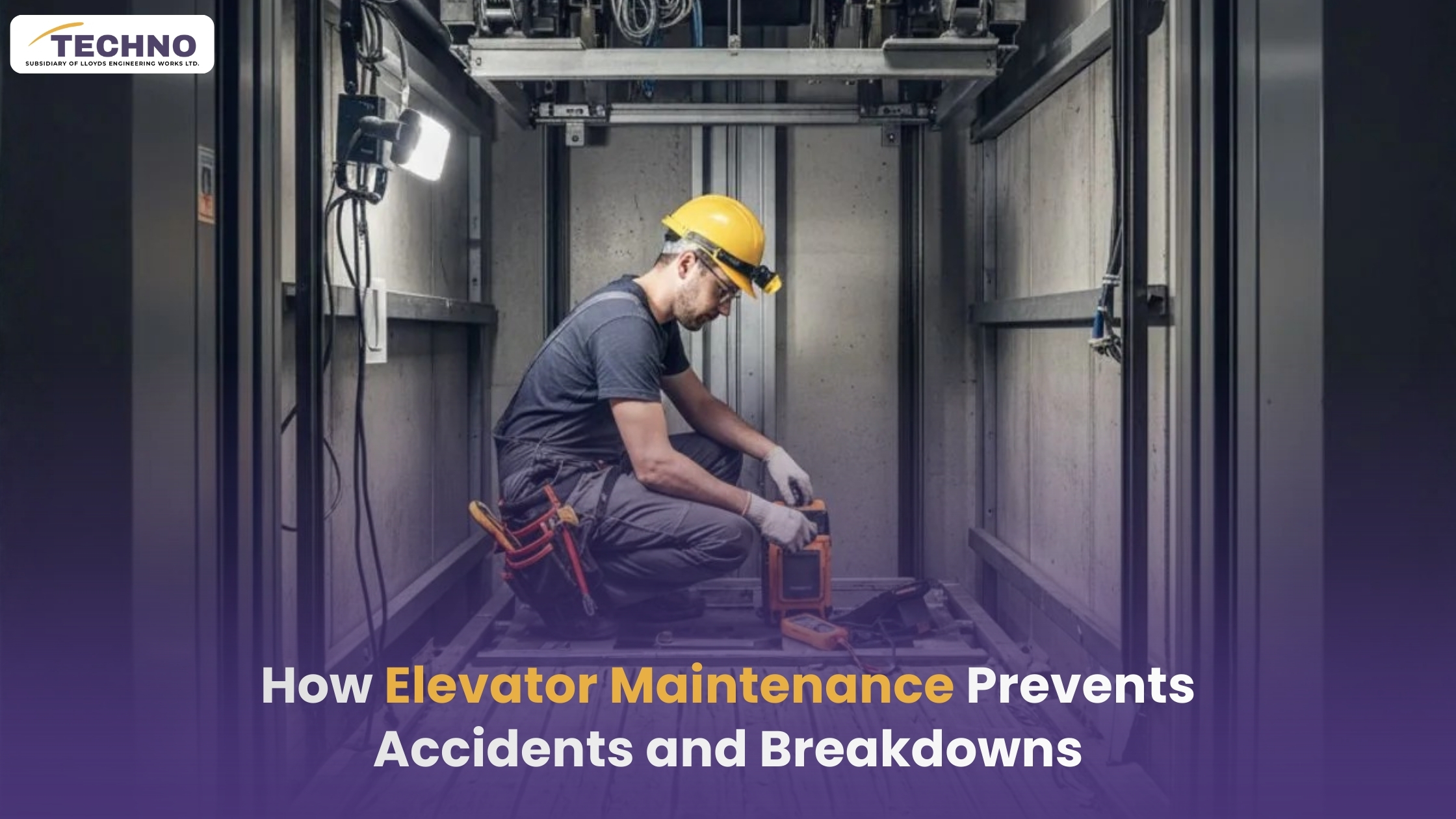
Introduction: Why Elevator Maintenance Matters
Elevators move people quietly, efficiently, and usually without drama. Until they don’t. When a lift stops between floors or doors fail to lock, the consequences aren’t abstract — they hit operations, safety records, and liability exposure immediately. Elevators Maintenance Services exist for this exact reason: Incidents happen before they escalate into injuries, lawsuits, or extended downtime, ensuring effective elevator downtime prevention.
Deferred servicing doesn’t just increase wear; it compounds risk across mechanical, electrical, and safety systems. You may not see the degradation happening, but it’s there — inside buffer springs, brake assemblies, and control panels working past tolerance. Regular maintenance isn’t a cosmetic exercise. It’s a control system for risk, uptime, and cost predictability. Ignore it, and failures arrive on their own schedule. Usually at the worst possible moment.
Importance of Regular Elevator Maintenance for Safety
The Safety Reality
Elevator accidents aren’t random. That’s the uncomfortable truth. Industry data shows roughly 27,000 elevator-related injuries occur annually in North America, and about 87% trace back to deferred maintenance or missed inspections. Preventable. Certified technicians identify early-stage issues in nearly 78% of routine inspections — issues occupants never notice. Door interlocks are drifting out of calibration. Brake linings are thinning unevenly. Guide rails are creeping beyond tolerance. Elevator safety maintenance works because it interrupts these chains early, before physics takes over. Safety doesn’t fail all at once. It erodes.
Facility Liability & Operational Impact
From a legal standpoint, the responsibility is clear. Building owners are accountable for passenger safety. When a lift fails, downtime costs compound fast — ₹12,000 to ₹18,000 per hour in busy commercial properties through lost footfall, tenant complaints, and staff disruption. Insurance providers know this. Repeated incidents raise premiums and scrutiny. Reputation damage lingers longer. One trapped passenger video can destroy years of operational credibility.
Common Causes of Elevator Accidents and Breakdowns
Mechanical Failures (Most Common)
Mechanical degradation leads the list of elevator breakdown causes. Buffer springs lose elasticity after roughly 400–500 compression cycles. Electromagnetic brakes wear unevenly, reducing stopping reliability. Hydraulic systems develop seal leaks that lower pressure stability. Guide rails shift — sometimes just fractions of a millimeter — but enough to increase vibration and stress. Counterweight cables can slip or stretch beyond safe limits. None of this announces itself loudly. The mechanism keeps operating…until it can’t.
Electrical & Safety System Issues
Electrical failures are quieter but just as dangerous. Door obstruction sensors fail intermittently. Emergency lighting batteries degrade without a visible warning. Call buttons lose responsiveness due to contact oxidation. Backup power systems sit idle for months, then fail when needed most. Safety interlocks misalign. Elevator accidents often occur when two of these issues overlap. Maintenance exists to stop that overlap.
Preventive vs. Reactive Elevator Maintenance: Understanding the Difference
Preventive (Planned) Maintenance
Preventive elevator maintenance mostly runs on schedule, not in panic. Monthly or quarterly inspections target components based on wear patterns, not failure. Commercial elevator maintenance isn’t just mechanical expertise; it’s regulatory compliance and documentation discipline. Certified professionals protect facilities by ensuring inspections meet legal standards and issues are logged, tracked, and resolved. Costs stay predictable — typically ₹3,500 to ₹5,000 per unit per month. Each visit takes about two to three hours per elevator. In most cases, it is planned during low-traffic windows. Parts get replaced before tolerance thresholds are breached. Operations continue smoothly. That’s the point.
Reactive (Emergency) Maintenance
Reactive maintenance begins after failure. Timing is never convenient. Costs spike — ₹25,000 to ₹80,000 per incident isn’t unusual. Downtime stretches from days into weeks, sometimes four to six weeks in commercial buildings, awaiting parts or approvals. Failures cascade. One malfunction stresses adjacent systems. The math is brutal: preventive servicing costs roughly one-tenth of emergency repair over a year.
Key Components Checked During Elevator Maintenance
Critical Mechanical Components
Routine inspections focus on parts most likely to fail under load. Buffer springs are checked for deformation and compression loss. Electromagnetic brakes undergo pressure testing around 280 bar, with response times expected under one second. Guide rails are measured for alignment, typically within ±0.5 mm tolerance. Counterweight systems are examined for cable tension balance and pulley wear. Hoisting ropes are inspected for diameter reduction, corrosion, and strand fatigue. This isn’t guesswork. It’s a measurement.
Safety & Electrical Systems
Safety systems get equal attention. Emergency lighting and backup power supplies are voltage-tested. Door locking mechanisms are checked for engagement force and cycle reliability. Safety gates and interlocks are verified under simulated fault conditions. Pit conditions matter too — water accumulation beyond 5 cm accelerates corrosion. A proper lift maintenance checklist catches these before they matter.
How Scheduled Maintenance Reduces Elevator Downtime
Scheduled elevator servicing changes the failure curve entirely. Maintenance during low-traffic hours helps to prevent breakdowns between 11 AM and 4 PM, when usage peaks. Repairs become planned events, not operational crises. Facilities can allocate staff and communicate outages in advance. Data shows scheduled maintenance reduces unplanned downtime by up to 92%. One commercial complex cut reactive downtime from eight weeks annually to zero after switching plans. Elevator accident prevention isn’t a theory. It’s logistics.
Role of Certified Elevator Technicians in Preventing Accidents
Certification matters more than many admit. Trained technicians operating under ISO 1828 standards understand diagnostic patterns that others miss. They spot early seal degradation, abnormal brake noise frequencies, and control board anomalies. Commercial elevator maintenance isn’t just about machinery expertise; it’s regulatory compliance and documentation discipline. Certified professionals usually protect facilities by ensuring inspections meet legal standards and issues are logged, tracked, and resolved. That paper trail matters when something goes wrong.
Safety Protocols Followed During Elevator Maintenance
Operational Safety During Maintenance
Maintenance itself carries risk. Proper procedures isolate power systems before work begins. Lockout protocols prevent accidental activation. Pit entry requires atmospheric testing and harness use. Hoistway access follows strict clearance rules. Emergency stop functions are tested under controlled conditions. Elevator repair and maintenance done without these steps creates new hazards instead of removing old ones.
Documentation & Compliance
Every service visit generates records — inspection logs, defect reports, compliance confirmations. IS 4522-2021 mandates quarterly maintenance for high-traffic commercial elevators, with documentation retained for audits. Safety certificates aren’t formalities. They’re proof that systems met standards at a specific point in time. Miss the paperwork, and compliance collapses.
Cost Savings from Proactive Elevator Maintenance
Financial Analysis
Numbers settle debates quickly. Preventive servicing averages ₹3,500–5,000 per unit monthly. Emergency repairs land between ₹35,000 and ₹80,000 per incident. ROI consistently falls in the ₹1 to ₹10–15 range — every rupee spent on prevention avoids ten to fifteen in reactive costs. Equipment lifespan extends 20–30% under proper care. That’s asset preservation.
Hidden Cost Savings
Insurance premiums often drop 5–15% with documented maintenance programs. Eliminated downtime saves ₹12,000–18,000 per hour. Liability exposure shrinks. Staff productivity remains intact. One mixed-use building reduced annual losses by ₹4.2 lakhs after adopting lift maintenance best practices. These savings don’t show up on invoices. They show up on balance sheets.
Emergency Maintenance: How Quick Response Prevents Major Accidents
Emergencies still happen. What matters is response speed. Certified teams reach sites within two to four hours under most contracts. Quick intervention prevents minor issues from escalating — jammed buttons are resolved before passengers panic, brake anomalies are corrected before slippage occurs. Emergency elevator repair protocols save lives by limiting exposure time. Buildings without 24/7 coverage gamble with outcomes they don’t control.
Tips for Shopping Mall and Commercial Building Owners
Best Practices for Facility Management
Preventive contracts should be in place from day one. Inspections belong in low-traffic windows. Every service visit gets documented. Staff should understand basic elevator safety and emergency procedures. KPIs — downtime frequency, response times, incident counts — need monitoring. These steps aren’t complex. They’re disciplined.
What to Look for in Maintenance Partners
Look past the price alone. Verify technician certification. Confirm 24/7 response capability. Demand transparent pricing and insurance coverage. Ask for references from similar properties. Scheduled elevator servicing only works when partners are accountable.
Maintenance as Investment, Not Cost
Elevator maintenance provides protection from accidents and breakdowns by design. Safety, uptime, and financial stability intersect here. Prevention costs a fraction of reaction. Elevators Maintenance Services exist to manage risk systematically, not emotionally. Treat maintenance as an operational investment, and facilities run predictably. Ignore it, and failures decide the schedule for you. The choice isn’t subtle. It’s structural.
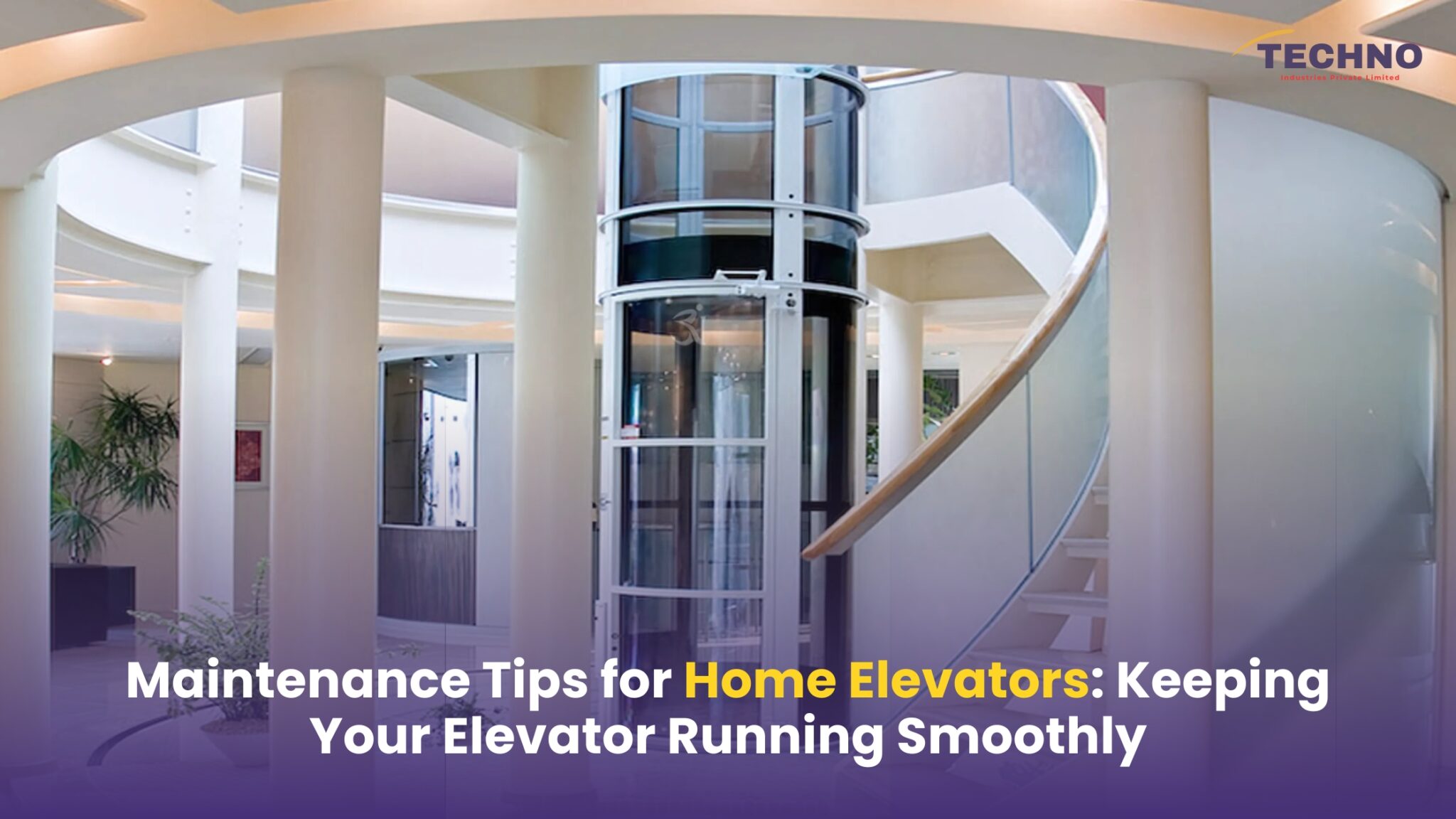
Home elevators have come down from luxury goods to functional features that add convenience, accessibility, and value to the property. Yet whether …