
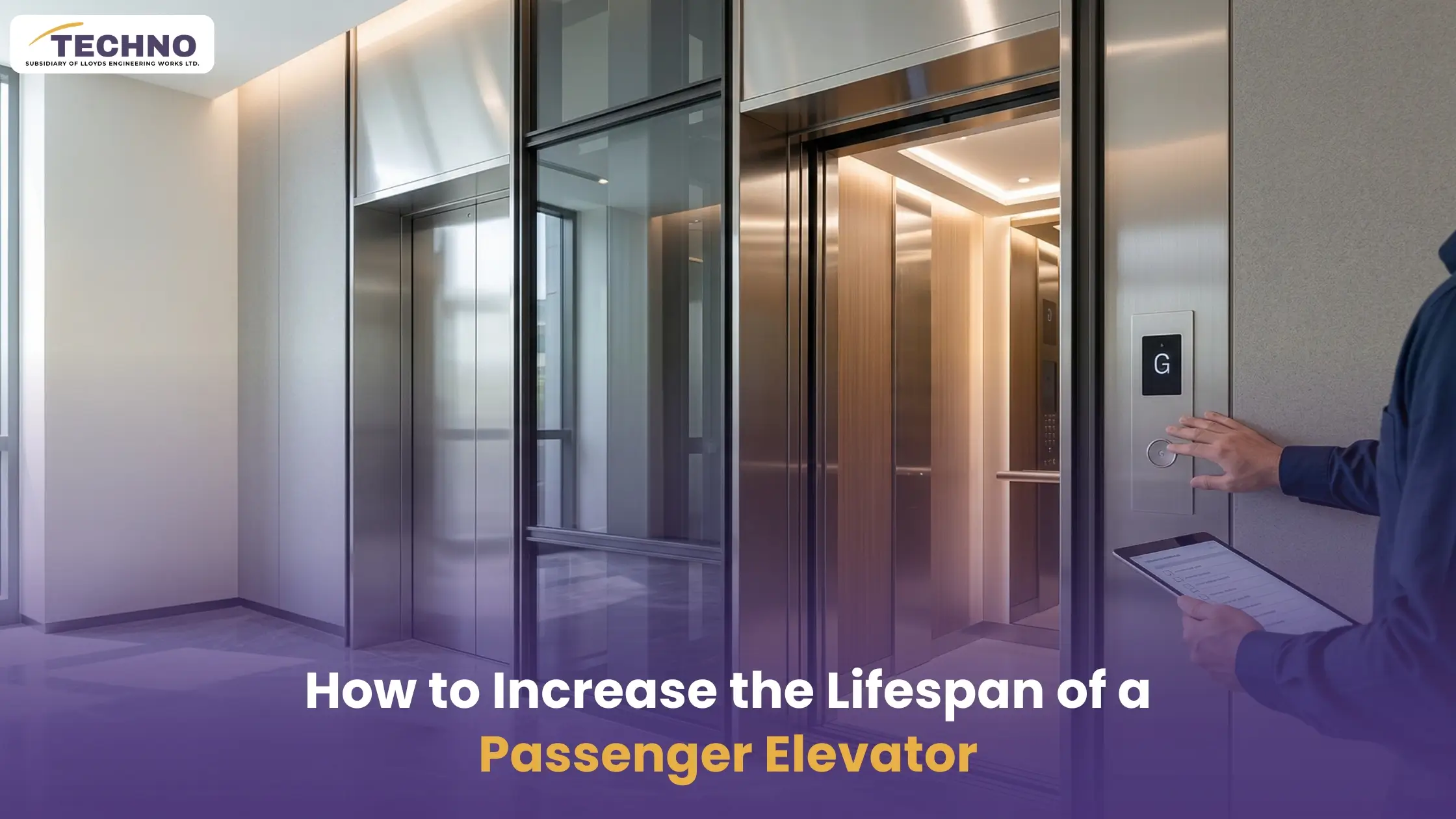
Elevators have become essential building components because they serve as fundamental building systems. All types of buildings need elevators because their operational performance determines their ability to provide services and ensure resident safety while maintaining property value.
An elevator that lasts 10 years will operate differently from one that requires maintenance and proper management to achieve 25+ years of service.
The organization needs to establish a permanent system that will measure all aspects of performance, together with protection and operational reliability.
Importance of Passenger Elevator Longevity
An elevator represents a permanent expense for builders and property managers who need to maintain their buildings. The length of its operation determines expenses for maintenance, tenant contentment, and the efficiency of business operations.
A well-maintained system ensures:
- Reduced downtime and complaints
- Lower repair and replacement costs
- Consistent safety compliance
- Better overall property value
The organization suffers financial losses and damage to its reputation because its equipment breaks down on a regular basis. Organizations need to start treating elevators as vital components for their business operations to achieve sustainable performance.
Elevator Maintenance Requirements
Elevator maintenance schedule needs to be followed as the foundation to operate effectively over an extended duration. The decision to skip required maintenance work creates immediate financial benefits but results in higher repair costs, which will occur in the future.
The process of Passenger Elevator maintenance requires these specific tasks to be completed:
Monthly inspections:
The process of inspecting door functions, level measurement accuracy, and detection of atypical sounds will help identify problems that start to develop.
Quarterly servicing:
The process of assessing all mechanical and electrical system components provides information about their operational capacity.
Annual audits:
The complete system examination process detects which components have reached the end of their useful life and which parts present potential hazards.
Organizations need to conduct regular maintenance services to address existing problems. The goal of maintenance services is to identify potential issues that could impact system performance before they occur.
Passenger Guidelines for Correct Usage
Incorrect usage of advanced systems leads to their rapid deterioration. Elevator performance improvement and reduction of unnecessary strain require organizations to establish definite guidelines for equipment usage.
Key elevator servicing tips for users include:
- Avoid overloading beyond capacity
- Do not force doors open or closed
- Prevent sudden jerks or jumping inside the cabin
- Use controls responsibly, especially during peak hours
The educational programs at the residential passenger elevator facility will help both residents and staff members achieve better results. The system will achieve greater operational efficiency when users maintain their daily activities by following tiny habits.
Monitoring and Addressing Wear and Tear Early
All elevators demonstrate wear and tear throughout their operational life. The problem begins when these signs are ignored.
Common early indicators include:
- Delayed door operations
- Slight jerks during movement
- Unusual sounds from the motor or shaft
- Inconsistent floor leveling
Addressing these issues early is one of the most effective elevator repair tips. Minor adjustments today can prevent major component failures tomorrow.
This proactive approach is essential for commercial elevator care, where high usage accelerates wear and tear.
Upgrading Components and Modernizing Systems
Technology evolves. Elevator systems should, too. The process of modernization requires ongoing system development instead of complete system replacement. The system requires essential component upgrades to achieve better efficiency and safety results.
Modern passenger elevators require the following upgrade components:
- Advanced control systems for smoother operations
- Energy-efficient drives to reduce power consumption
- Smart monitoring systems for real-time diagnostics
The system development upgrades directly extend elevator lifespan and the performance. The older buildings of a community find it more affordable to undergo modernization than to execute complete building replacement.
The Need for Safety Compliance in Passenger Elevator Operations
For maintaining safety, such elevator safety check must be mandated. The parameters set for safety compliance must be forever maintained by the rightful party. In the meantime, regular safety checks measure compliance with all the existing safety regulations, capable of working in all conditions.
Key areas to monitor:
- Emergency braking systems
- Alarm and communication systems
- Door safety sensors
- Backup power functionality
The users receive protection through compliance, which also eliminates all potential legal and operational risks. Facility managers and builders must treat this requirement as an essential element for their future planning processes.
Lubrication and Mechanical Care Tips
Mechanical components face continuous operational stress. The absence of proper lubrication results in increased friction, which accelerates component wear.
Effective passenger lift upkeep includes:
- Lubricating guide rails and moving parts
- Checking rope and pulley alignment
- Ensuring smooth operation of bearings
The system performance is enhanced through these basic steps, which decrease system strain. Proper mechanical care plays a crucial role in any elevator longevity guide. The system operates through its components, which maintain their functionality across extended durations without the need for extra replacements.
Electrical System Checks and Preventive Measures
An elevator exists as both an electrical system and a mechanical system. The electrical system requires full attention because it protects against unexpected system breakdowns.
The preventive measures for this situation include:
- Inspection of all wiring and connection points needs to occur on a regular schedule
- Operators must monitor control panels to detect any existing faults
- Validation of voltage stability together with the testing of protection systems
The test runs are necessary because elevators need to function continuously in areas with heavy foot traffic, which include hospitals and public transit facilities.
The complete electrical system delivers steady operation, which reduces the chances of unplanned service interruptions.
Hiring Professional Technicians for Repairs
Elevator systems are complex. Quick fixes by unqualified personnel often create bigger problems.
Professional technicians bring:
- Accurate diagnostics
- Correct tools and methods
- Compliance with safety standards
The system requires expert professionals who will repair major problems because their expertise guarantees first-time success in system restoration. The first statement demonstrates particular importance because operational functions of high-traffic areas depend on their full operational capacity.
Closing Take
The passenger elevator system functions as more than a basic convenience. The system operates as an enduring resource that requires ongoing monitoring and methodical management.
The asset requires proper maintenance procedures, which include:
- Complete system checkups through scheduled maintenance
- Users must handle the system according to its defined operational guidelines
- Required system enhancements must occur at scheduled times
- Users must follow established safety regulations
- Both employees and contractors need to maintain specialized expertise
The system achieves dependable operation throughout multiple decades when these components function together. For builders, societies, and property owners, the goal should not just be installation.
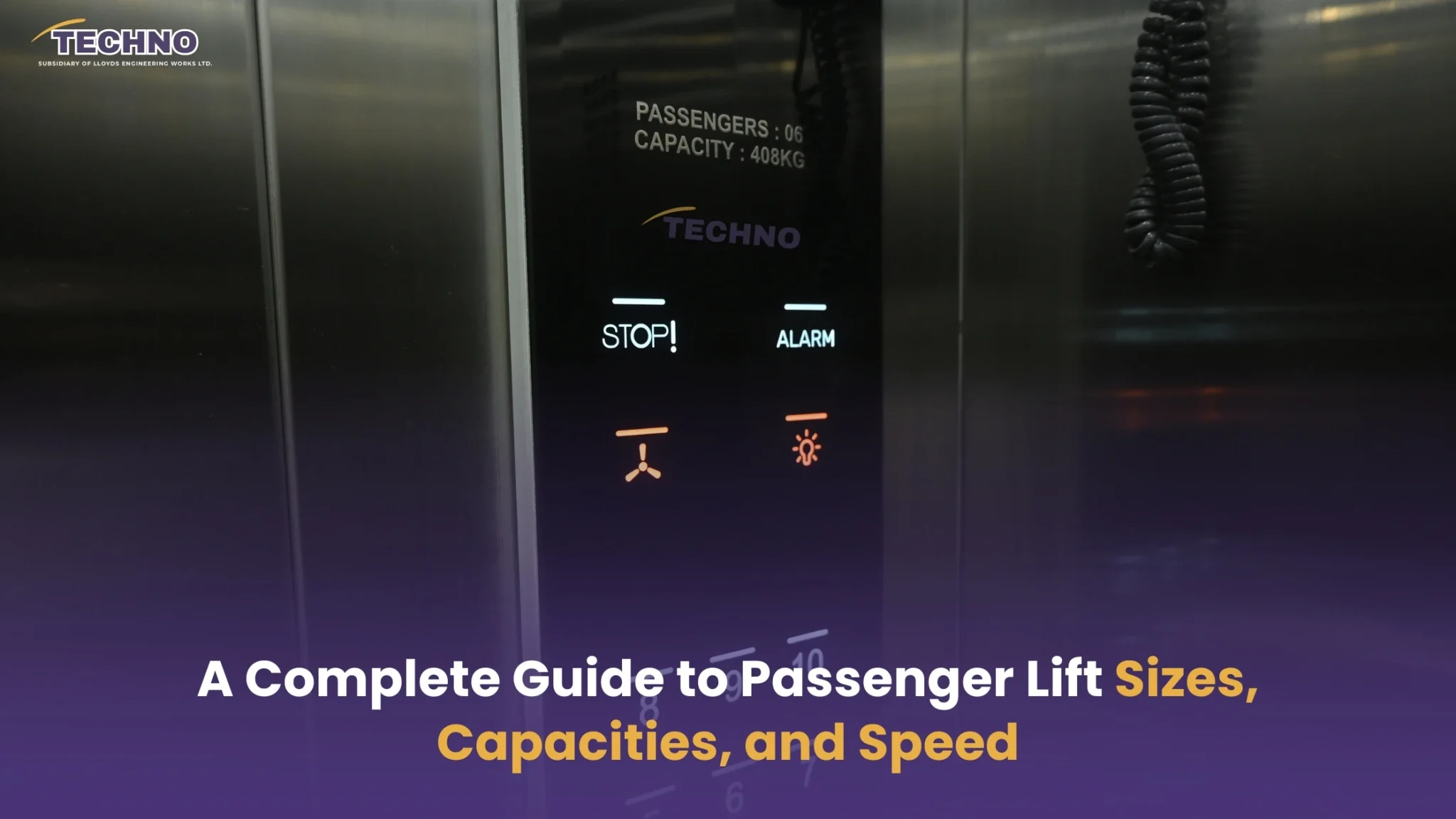
This guide is designed to help you if you are a builder, architect, society decision-maker, or anyone else planning to upgrade or …
