
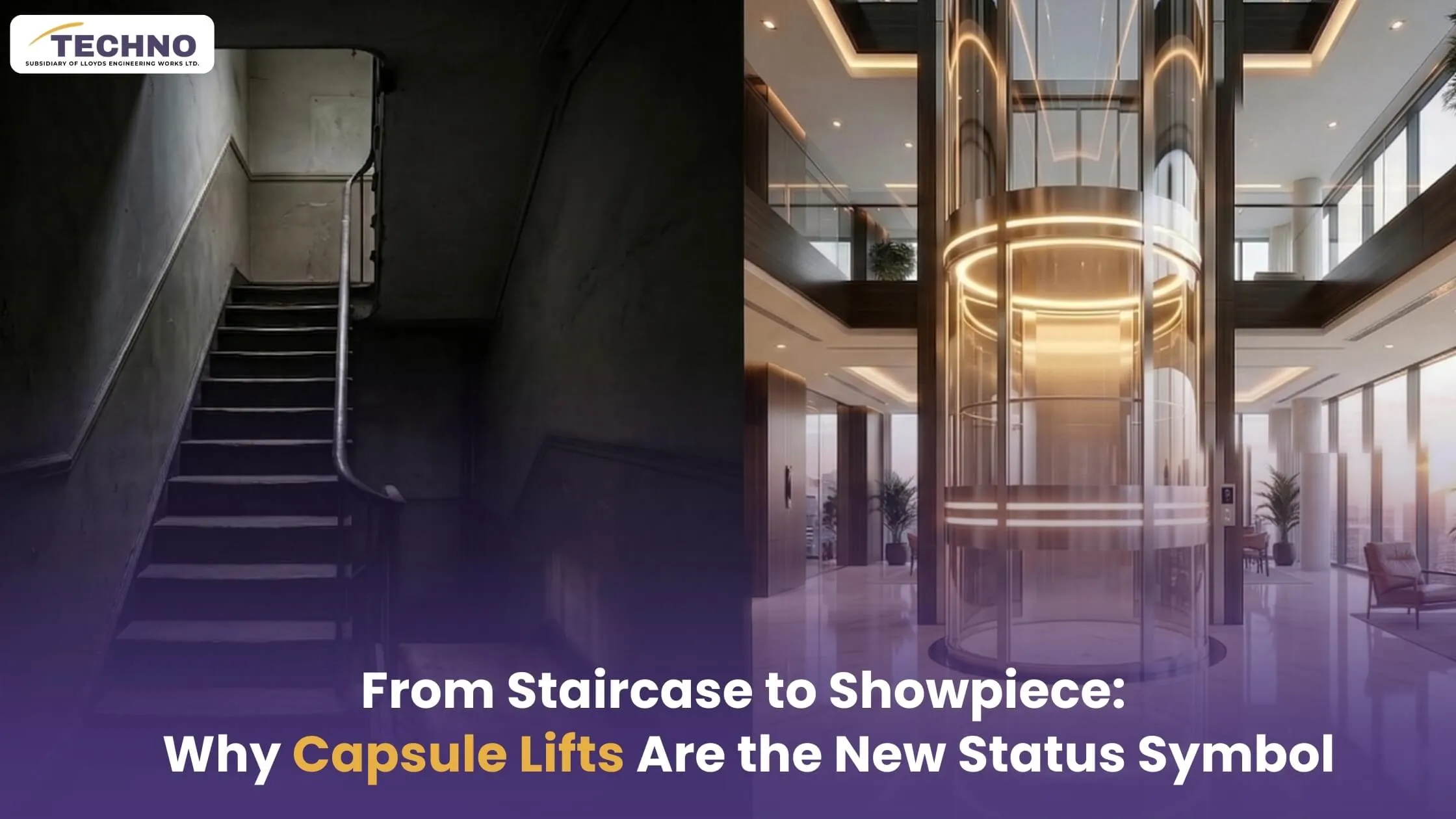
The designers of multi-story houses used staircases as their main architectural element for multiple years. Architects dedicated multiple weeks to creating complete design plans, which included curved railings and marble steps and their most impressive lighting arrangements. The villa and duplex design included staircases, which served as a visual element that would create a strong impact.
Residential architectural design has recently begun to undergo a significant transformation.
The construction industry now requires architects to create lift shaft designs during the actual building process of their projects. Homeowners need convenient solutions that enable them to move between different levels of their homes because they plan to live in their houses throughout their lives. Interior designers need to maintain the house’s visual appeal while establishing elevators in their design.
Capsule lifts operate as an elevator solution that uses their vertical movement path as a fundamental part of their design system. The lift becomes visible, elegant, and surprisingly architectural. In many modern homes, the elevator is now the feature people notice first.
The Evolution of Home Lifts
Residential elevators were not always this refined. Early modern home elevators were built with a simple objective: move people between floors safely.
They were usually:
- enclosed metal cabins
- installed inside concrete shafts
- located in corners or service areas
Capsule lift design rarely mattered. Most homeowners didn’t want the lift to be visible at all.
But housing patterns have changed. The modern urban landscape now features multi-level villas and duplex apartments and extensive private homes as standard building types. Homeowners develop their house designs to ensure their properties will remain accessible in the upcoming years.
Builders understand a fundamental fact that states that retrofitting an elevator during building construction will require two to three times higher expenses than when developers include the elevator in their initial construction plans. Architectural design now requires elevators to become essential components that designers must incorporate from the beginning of their projects. Architects who used design elements to create lifts discovered that capsule elevators became their most popular design choice.
What Is a Capsule Lift?
A capsule lift serves as an elevator that moves inside a transparent or semi-transparent cabin that builders construct with laminated safety glass and stainless steel framing.
These lifts provide their users with a complete view of their operation because they operate from visible areas instead of using traditional elevators, which operate in concealed spaces of opaque elevator shafts.
A typical glass capsule elevator includes:
- high-strength laminated glass panels
- curved or panoramic cabin design
- minimal steel framing
- smooth traction or hydraulic drive systems
The transparent structure allows passengers to see the surrounding space while traveling between floors.
Capsule elevators are often installed in places where they can enhance the architecture, such as:
- central staircases
- residential atriums
- double-height living areas
- lobby spaces in premium buildings
When we install properly, the lift doesn’t feel like a mechanical addition. It becomes part of the interior elevator ideas.
Luxury & Status of Capsule Lifts
In residential design, luxury is rarely about size alone. It is about how thoughtfully the space is planned.
A luxury home lift adds convenience, but a capsule lift also adds visual impact.
When visitors enter a home and see a transparent lift moving through the center of the house, the effect is immediate. It suggests thoughtful planning and modern engineering.
This is why capsule elevators are becoming part of new luxury lift trends in villas, high-end apartments, and boutique residential projects.
The installation of a residential capsule lift by builders provides a dual benefit of increasing property value for builders and creating more value for their clients. Buyers today pay attention to accessibility, design innovation, and convenience. A well-designed elevator system provides solutions to three different requirements.
Design & Aesthetics: Transforming Staircases
The staircase has traditionally dominated vertical space in homes. Architects now have capsule lifts as an additional design solution to use. The elevator operates in conjunction with the staircase system instead of destroying it. Many designers create interior elevator designs that use both elements. The design includes two different approaches that show the actual location of the elevator.
The elevator system operates as a dynamic architectural component that moves throughout the residential space.
The empty vertical area of a building becomes a visual connector between different floors when designers use a Capsule lift for home systems.
Benefits of Installing a Capsule Lift
Homeowners and builders choose to install capsule lifts because they find the practical capsule elevator benefits of the system more valuable than its aesthetic design.
The main advantages of capsule elevators include the following essential benefits:
- Efficient Use of Space: A home vertical lift can be installed in relatively compact spaces. In many houses, the lift can fit within stairwell layouts without major structural changes.
- Better Accessibility: Families with elderly members or mobility challenges benefit greatly from having elevator access between floors.
- Smooth Operation: Modern drive systems ensure quiet and stable movement, which is important in residential environments.
- Future-Ready Homes: During construction, home lift installation prevents future expenses that would result from conducting structural changes.
- Higher Property Value: Elevator-equipped homes generate greater buyer demand because they find appeal among premium housing market customers.
Homeowners choose elevators because they serve as useful home improvements and provide permanent value for their properties.
Customization Options for Capsule Lifts
Architects and interior designers prefer capsule elevators because their design possibilities remain extensive.
Manufacturers can modify both structural elements and finishing materials to achieve matching design elements with their building.
The standard customization options of a system include the following elements:
- Cabin Shape: Circular and semi-circular cabins are popular because they provide panoramic visibility.
- Glass Finishes: Clear glass creates maximum visibility, while tinted and frosted panels provide both privacy and aesthetic contrast.
- Interior Materials: Cabin interiors may feature stainless steel and brushed metal finishes and decorative flooring materials.
- Lighting: Integrated lighting can highlight the lift structure and enhance the travel experience.
Homeowners can select these options to design a home elevator solution that matches their interior design style.
Capsule Lift for Home: Cost & ROI
Homeowners start their elevator research process by asking about the cost because it stands as their most important question.
Homeowners should expect to pay higher prices for capsule lifts compared to standard home elevators because of their specialized materials and glass construction and custom design options.
The elevated installation expenses create a temporary financial burden that the ensuing benefits will eventually compensate for.
The elements which affect ROI include:
- increased property resale value
- higher appeal in luxury housing markets
- long-term accessibility benefits
- reduced renovation costs in the future
The elevators function as marketing instruments that developers and builders use to sell their multi-story residential buildings.
Safety Features & Modern Technology
Engineers designed capsule elevators to meet strict safety standards while maintaining their stylish home elevator. The modern lift systems operate safely through their combination of advanced control technology and dependable mechanical components.
Common safety features for systems include:
- emergency rescue devices during power failures
- door safety sensors to prevent accidental closing
- overspeed governors for controlled movement
- laminated safety glass designed for structural strength
- emergency communication systems
The certified technicians who install home lift systems must complete their work according to professional standards which guarantee both system operation and safety regulations of the system.
The manufacturers who have experience in the industry conduct ongoing system inspections and equipment maintenance to maintain optimal operational efficiency and trustworthy equipment performance.
Capsule Lifts vs Traditional Home Elevators
The two systems of capsule lifts and traditional elevators both function to move people between different building levels. The main difference between the two systems exists in their architectural integration methods.
Traditional elevators focus primarily on mechanical efficiency. The design of capsule lifts combines engineering functions with visual artistic elements.
The two systems display multiple fundamental disparities which include the following elements
- Visibility: Traditional lifts operate inside closed shafts. Capsule lifts remain visible and become part of the interior design.
- Standard elevators enable passengers to travel in enclosed spaces. Capsule lifts provide passengers with open views which create an atmosphere of spaciousness.
- Architectural Integration: Architects can use capsule elevators as a design element to create vertical movement through their architectural space.
Homeowners who want both functional advantages and visual appeal choose capsule lifts as their main choice.
Making a Statement with Your Home Elevator
The modern home now provides its residents with convenient access to all areas of the house together with features which enable them to live there for their entire life. The industry now considers as mandatory all the features which used to be considered as optional.
Elevators serve as an excellent demonstration of this principle. The systems enable people to move through their daily activities while they provide support for elderly people who need assistance and they increase the market value of the property. The architectural design of a house benefits from elevators when they receive proper installation and construction.
The home capsule lift represents a dual achievement which enables engineers to design functional vertical transport while delivering customers aesthetic value. The system delivers dependable vertical transportation which forms an essential part of the space’s visual presentation.
Capsule lifts provide architects, builders and homeowners with an effective solution which brings aesthetic value to their design of contemporary multi-level homes.

Do you know that the right home elevator can make a remarkable difference? Not all the elevators are the best voice for …
