
Introduction
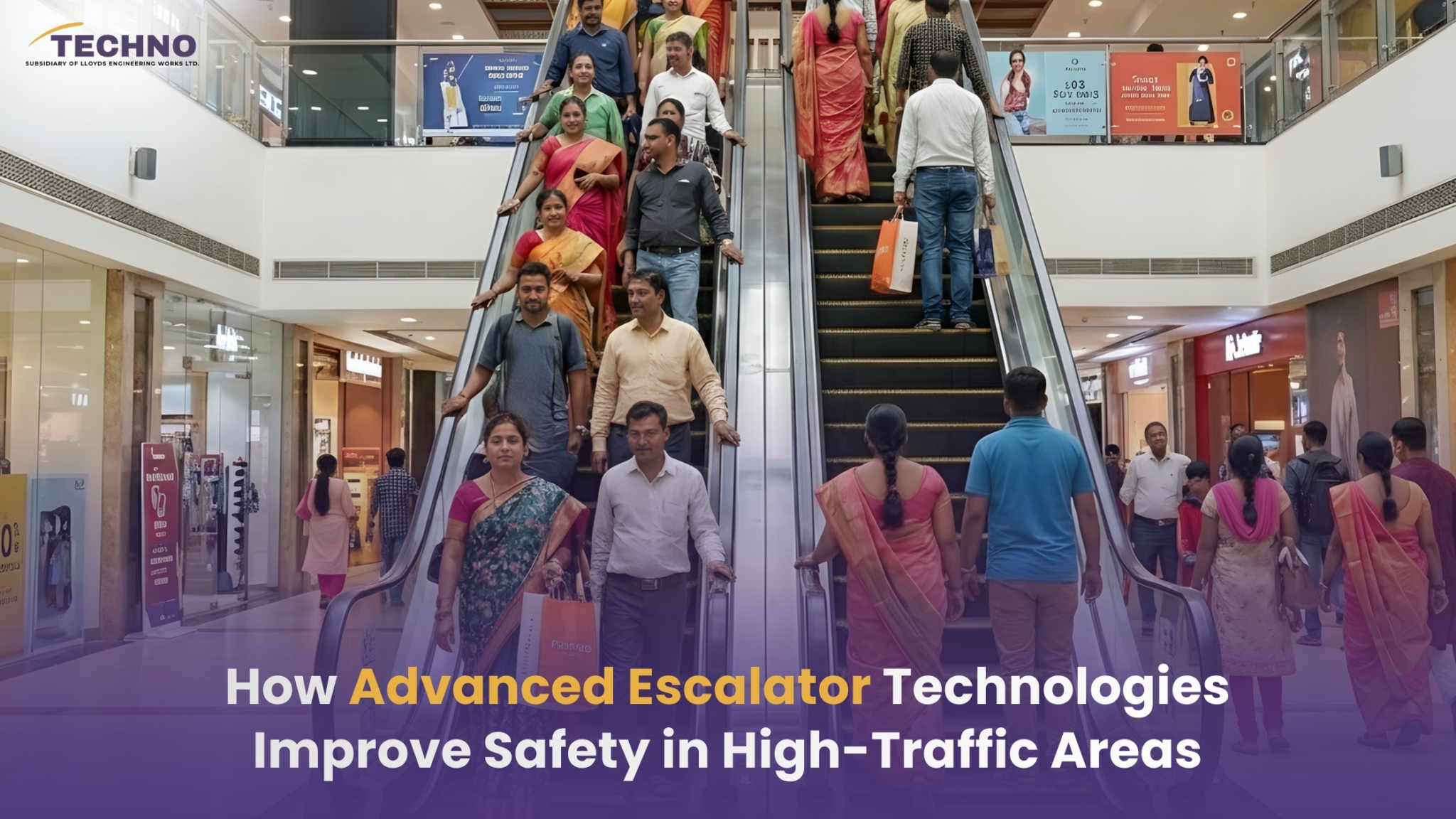
Walk into any mall on a weekend or a metro station during office rush hours, and you’ll see the same thing – people moving in waves. We are all in a rush, we are all distracted, and we want escalators to simply perform. And, to be frank, when you get to thinking of it, the escalators are among the few machines we get onto without even a second thought. No checking, no hesitation. We trust them automatically.
This trust is precisely the reason why safety measures on the escalators are so important, particularly in high-traffic escalator areas. Busy escalators have thousands of people in a single day. When something goes wrong, even something small, the effect could be instant. A simple slip can turn into a chain reaction.
The Importance of Escalator Safety in Crowded Public Spaces
This is why modern Escalator Manufacturers are shifting from the old “repair when broken” mindset to a more proactive, intelligent approach. New systems rely on sensors, automation, better materials, and smarter controls – all designed to protect both the user and the business that owns the equipment.
It is like automatic lights when you enter a corridor. You do not realize the technology; it subconsciously makes your experience simpler and safer. Escalators are the same. They protect the flow of people and the reputation of your building at the same time.
Innovative Step and Handrail Designs to Minimize Accidents
Let’s talk about something simple: the step under your feet.
Old escalator steps were flat, metal surfaces. They worked, sure… but not always safely. Today’s advanced escalator technology uses anti-slip escalator steps with textured grooves that almost “grip” your shoe. If you’ve ever walked on a hiking trail with good shoes, you know how much difference grip makes. The same idea applies here.
Handrails have also become smarter. They now match the step speed more accurately, which reduces the small but risky vibration people feel when the handrail moves faster or slower than expected. If you’ve ever held a moving treadmill bar, you know how unsettling uneven motion can be.
Some Escalator Manufacturers even add guiding lights on the step edges. These lights help people – especially the elderly or those carrying bags – judge distance and maintain balance.
Small upgrades. Big safety improvements.
Smart Motion Sensors for Preventing Overcrowding and Falls
People don’t always behave predictably on escalators. Someone stops suddenly, someone hesitates, someone turns around to call a friend. In crowded areas, this can cause quick pile-ups.
That’s where smart motion sensors come in.
Think of them as the escalator’s version of a supermarket store manager – always watching foot movement, spotting slowdowns, adjusting pace, and keeping the flow steady. These sensors do things like:
- Slow the escalator slightly when too many people gather at the bottom
- Trigger alerts when children block the entry
- Adjust speed based on real-time foot traffic.
They’re constantly analyzing behavior to maintain public space escalator safety.
It is like automatic lights when you enter a corridor. You do not realize the technology; it subconsciously makes your experience simpler and safer.
Real-Time Safety Monitoring with AI Integration
This is where escalators start feeling almost alive.
The current systems incorporate intelligent escalators that have been designed based on AI. They also examine performance around the clock and alert technicians to an issue before it escalates, instead of it happening.
AI does the same for escalators.
It checks things like:
- Abnormal vibrations
- Motor temperature
- Handrail tension
- Alignment of steps
- Noise patterns
- Unexpected speed changes
And because the system “learns” over time, it becomes better at spotting unusual behavior. Escalator Manufacturers now combine these tools to reduce downtime and avoid surprise breakdowns that disrupt business operations.
Most accidents don’t come out of nowhere – machines usually show warning signs first. AI simply notices what humans can’t.
Advanced Braking Systems to Stop Accidents Instantly
If there’s one feature that directly saves lives, this is it. If an escalator detects something unusual – like a fallen object, sudden jerking, or a mechanical issue – it doesn’t panic-stop. It eases down gently so people don’t lose their balance.
This is a huge improvement over older systems that would jolt to a stop, catching riders off guard.
The newest braking systems provide:
- Instant response during unexpected events
- Smooth deceleration to avoid falls
- Stabilized movement for seniors and children
- Better handling of heavy crowds
For owners, this reduces liability. For passengers, it brings calm and confidence.
Touchless Controls and Hygiene-Focused Escalator Safety Features
After the last few years, people look at public surfaces differently. Handrails and buttons suddenly feel like potential health risks. That’s why touchless technology is becoming a standard feature in modern escalators.
You’ll now find:
- Touchless call panels
- UV-cleaned handrails
- Antimicrobial coatings
- Auto-sanitizing mechanisms
- Air-purifying vents near handrails
These features function much like automatic soap dispensers – always working in the background, always reducing contact, and always improving peace of mind.
For businesses, this upgrade helps them present a safer image. For users, it removes one more thing to worry about.
IoT-Enabled Predictive Maintenance for Reduced Malfunctions
Here’s where escalators get truly intelligent.
With IoT escalator monitoring, every important part of the machine – motors, belts, sensors, steps – sends data to a cloud system. This creates a running health report, updated every minute.
This allows predictive maintenance escalators to schedule repairs before something breaks. This early alert prevents bigger problems later.
IoT gives owners:
- Far fewer unexpected shutdowns
- Lower repair bills
- Longer lifespan of mechanical parts
- Safer and smoother user experience
And since technicians know exactly what needs attention, maintenance becomes faster and more efficient.
Energy-Efficient Technologies That Enhance Safety
Energy-saving features may sound unrelated to safety, but they play a surprisingly big role.
New escalators use intelligent power systems that slow down or switch to standby when no one is riding. As soon as someone approaches, the escalator gently increases speed. No abrupt movement, no lag – just a smooth response.
It’s similar to cars with auto start-stop technology that saves fuel without affecting performance.
These energy-efficient upgrades also:
- Reduce strain on the motor
- Keep components cooler
- Lower the risk of overheating.
- Extend the life of the machine.e
LED lighting, regenerative drives, and soft-start motors all contribute to both safety and lower operating costs.
User Alerts and Guidance Systems for Safer & Smart Escalator Use
A surprising number of accidents are caused by simple mistakes – untied shoelaces, kids leaning over railings, people standing too close to the sides, or someone trying to enter the escalator backward.
To reduce this, modern systems include clear guidance features:
- Soft chimes before starting
- Step-edge lighting
- Safety messages on side panels
- Floor arrows showing where to stand
- Visual warnings for loose clothing
These cues work like painted lines on roads. They guide movement subtly but effectively.
Some Escalator Manufacturers also add voice messages and color-coded instructions for different crowd types. When people know what to do, things simply runmore safelyr.
Future Trends in Escalator Safety: AI, Robotics, and Beyond
The next generation of intelligent escalator systems will look very different from what we see today. The technology is evolving quickly, and some innovations are already being tested.
Here’s what’s coming:
AI Crowd Prediction
Escalators that adjust speed or direction based on predicted crowd flow – much like Google Maps predicting traffic before you reach it.
Robotic Inspection Tools
Small robots that travel inside the escalator at night, checking parts with precision cameras and sensors.
Self-Learning Safety Systems
Escalators that learn from their own usage data and adjust the operation to reduce internal wear.
Enhanced Mixed-Reality Maintenance
Technicians may soon wear AR glasses that highlight faulty parts instantly.
Conclusion
In short: By end of the day, advanced escalator technology is not just about complicated engineering – it’s about fewer accidents, smoother operation, less downtime, and happier visitors. When your escalators run safely, your entire space feels more dependable.
Smart systems = fewer surprises.
Predictive tools = lower costs
Better safety = stronger trust
Contact your certified Escalator Manufacturers today to schedule a no-obligation safety and modernization audit.
An expert perspective on vertical mobility systems that shape modern retail experiences The Real Shopping Experience Begins Before the First Store When …
