
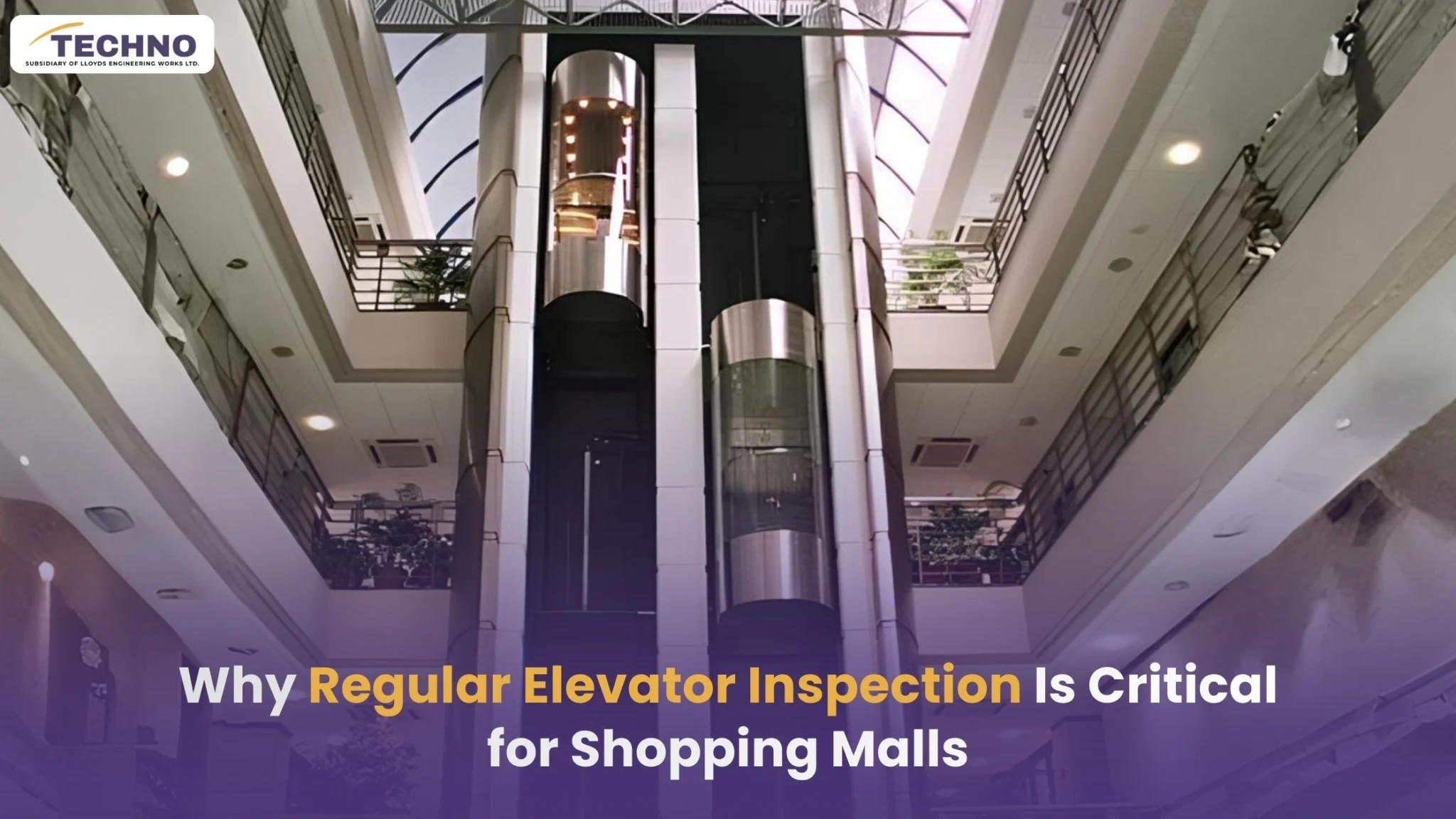
Introduction: Why Shopping Mall Elevators Demand Attention
Shopping malls are mechanical pressure cookers. Thousands move vertically every hour. Elevators don’t get a breather, and neither do escalators. One stalled car during Saturday peak can jam an entire wing. Safety matters. Revenue too.
The truth is, a shopping mall escalator elevator system isn’t background infrastructure; it’s a load-bearing operational asset that fails loudly when neglected. Inspections catch that. Or rather, systematic examination catches what routine cleaning never will. Think about it — would you let a fire panel run untested for months?
Elevators deserve the same seriousness. Inspection isn’t paperwork. It’s a control mechanism that keeps people moving, prevents injuries, and shields owners from regulatory fallout that’s often hefty and public.
Importance of Elevator Safety in High-Footfall Shopping Malls
Safety Risk in High-Traffic Environments
Footfall changes everything. A mid-size mall sees 15,000–50,000 visitors daily, translating into roughly 800–1,200 elevator trips per unit. Stress accumulates. Rollers flatten. Brake linings glaze. Peak hours — 11 AM to 3 PM — compress usage into narrow windows, and 38% of mall lift failures occur in that slot.
That’s why mall elevator safety inspection protocols differ from residential checks. You know this already, but it bears repeating: more cycles equal more failure points. IS 4522-2021 doesn’t mince words on this — it mandates monthly checks for commercial units because usage patterns justify it.
Business Impact of Elevator Failures
Downtime bleeds money. Average loss runs ₹8,500–12,000 per hour in footfall and tenant sales during peak periods. I’ve seen malls reroute crowds awkwardly, only to trigger safety complaints elsewhere. Liability follows fast.
In 2023, 47 elevator-related accidents were reported nationwide in shopping complexes, and insurers don’t ignore inspection logs. Missed audits raise premiums. Sometimes coverage gets denied. Honestly, that’s the quiet cost operators underestimate.
Common Elevator Problems Found During Mall Inspections
Mechanical Failures
During commercial elevator inspection, mechanical wear dominates findings. Hydraulic pump degradation shows up first — pressure drops below the rated 250 bar ±5%, leading to jerky starts. Brake systems wear unevenly, especially on high-capacity cars.
Counterweight imbalance creeps in after tenant refits change load patterns. Certified inspectors find mechanical issues in 62% of first-time mall audits. That’s not theory; that’s field data from 200+ properties.
Electrical & Safety System Issues
Electrical faults follow close behind. Car gate locking mechanism failures account for 18% of critical shutdowns. Emergency lighting often falls below minimum lux levels after battery aging. Call button response time drifts beyond the < 1-second standard. Buffer spring wear in pits goes unnoticed until a hard stop test — then it’s obvious. Neglect kills. Slowly, then suddenly.
How Regular Inspection Prevents Accidents and Injuries
Inspections work because they interrupt failure chains early. Monthly verification catches 89% of defects before they escalate into incidents. That’s documented across metro regions. Elevator safety audit routines test redundancy — overspeed governors, pressure relief valves, door interlocks — under load, not assumptions. Emergency protocols get rehearsed. Backup power gets tested. No inspection protocol catches 100%. That’s reality. But skipping checks guarantees blind spots. Would you rather manage risk or gamble on luck?
Elevator Inspection Checklist for Shopping Malls
Mechanical Components
An effective elevator inspection checklist examines hydraulic pressure stability at 250 bar, brake force consistency across cycles, roller guide wear within manufacturer tolerances, and cable tension variance under ±2%. Inspectors measure, not eyeball. Pit buffers get load-tested. Counterweights get recalibrated when tenant layouts change. This takes time — usually 90 minutes just for mechanical verification.
Electrical & Safety Systems
Electrical checks verify emergency lighting voltage, call button latency, safety gate synchronization, and backup power switchover within prescribed milliseconds. Fireman’s recall gets tested against local bylaws. More precisely, inspectors simulate fault conditions because static checks miss dynamic failures.
Structural & Finish
Structural review sounds cosmetic, but it isn’t. Pit water accumulation must stay under 5 cm. Hoistway walls get checked for spalling. Door seals affect pressure differentials. Small details compound.
Legal Compliance and Safety Regulations for Mall Elevators
Indian Standards & Compliance
Compliance isn’t optional. IS 4522-2021 sets the baseline. Municipal lift departments enforce monthly logs, quarterly audits, and annual third-party certification. Fire safety codes intersect here — smoke control, recall functions, accessibility under the PWDA. Non-compliance penalties range ₹25,000 to 2 lakhs per violation, and inspectors do issue stop-use orders. Regulation might feel burdensome. Those rules exist because past negligence hurt people.
Inspection Frequency Requirements
Lift inspection regulations require monthly examinations, quarterly advanced audits, and yearly certification renewals. Deadlines are tight — miss one, and you’re flagged. Some operators argue sensors reduce frequency. Fair point. Sensors help. Inspectors still catch what sensors miss.
Impact of Elevator Downtime on Mall Operations and Revenue
Downtime cascades. One failed unit pushes traffic to others, accelerating wear. Average unplanned outage without a maintenance plan lasts 1–3 weeks. During festivals, losses multiply hourly. A west-zone mall lost ₹1.8 crore over ten days due to a single traction failure — documented, audited, preventable. Shopping mall elevator maintenance isn’t a cost center; it’s revenue protection. Think about it — how many tenants can afford disrupted access?
Routine Inspection vs. Preventive Maintenance: Understanding the Difference
Routine Inspection
Routine inspection verifies conditions. Visual checks, safety tests, performance logging, documentation. Frequency stays monthly. Duration runs 3–4 hours per unit. It answers one question: is the system safe today?
Preventive Maintenance
Preventive elevator inspection goes further. Components get replaced based on wear curves, not failure. Lubrication schedules tighten. Predictive monitoring integrates vibration and temperature data. Costs rise — ₹2,500–4,500 per unit monthly — but emergency repairs drop by 60%. This isn’t cheap. Downtime costs far more.
How Often Should Shopping Mall Elevators Be Inspected?
Minimum? Monthly. Smart operators add quarterly deep audits. High-traffic malls should be inspected every 3–4 weeks, especially mixed-use properties. Age matters too — units over ten years need tighter cycles. Elevator inspection frequency isn’t static; it adjusts with usage and risk. Escalators follow similar timing under escalator and elevator inspection programs because passenger flow links them operationally.
Benefits of Proactive Inspection for Mall Owners
Proactive inspection delivers measurable ROI. Every ₹1 spent prevents roughly ₹5 in emergency costs. Safety assurance reduces liability exposure. Uptime stabilizes. Equipment lifespan extends by 20–30%. Elevator safety compliance protects brand reputation — quietly, consistently. The reality is simple: inspections don’t eliminate failure. They control it. You know this. The question is whether inspection stays optional in practice — or finally becomes non-negotiable.
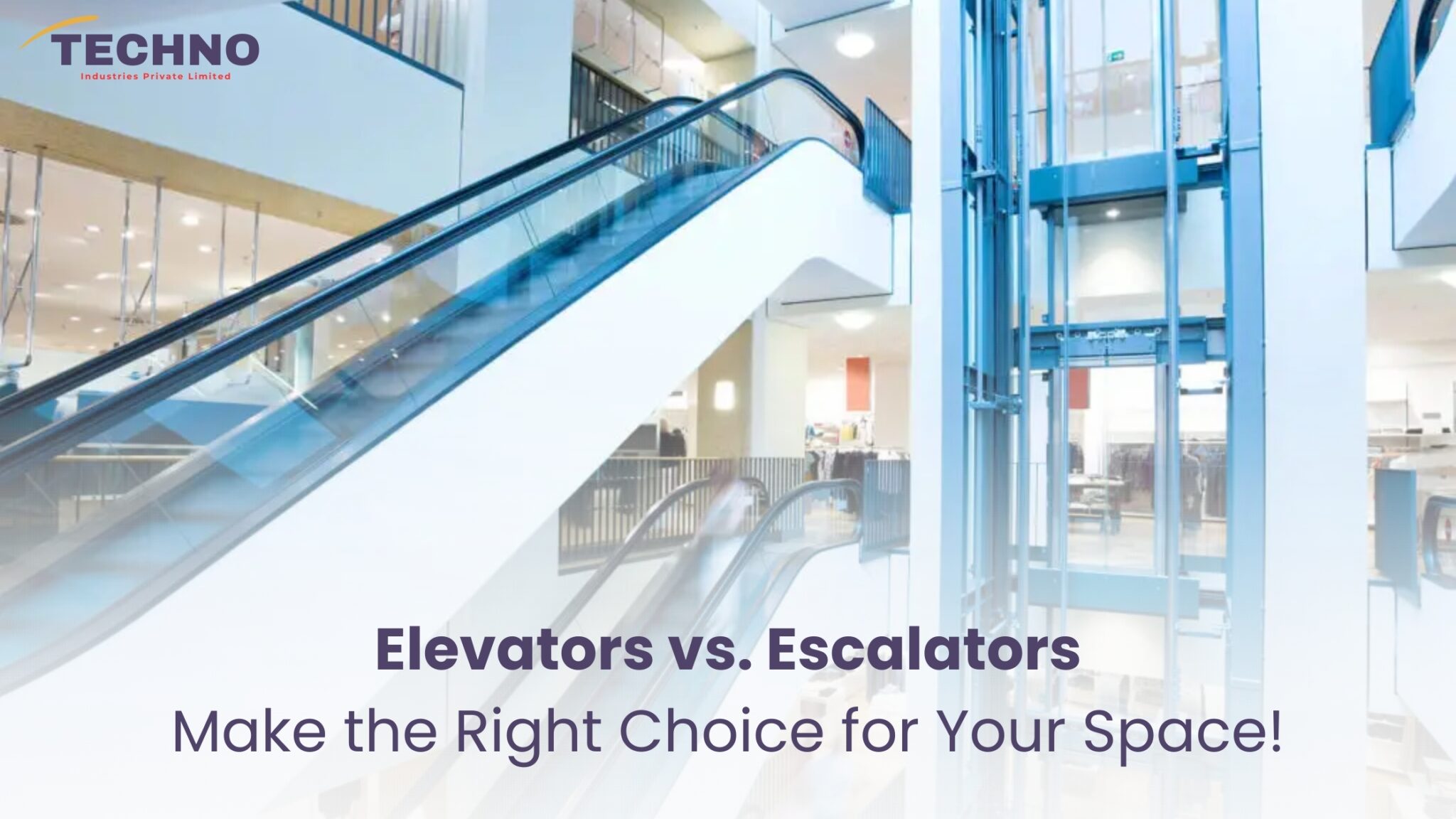
One of the most challenging decisions you will need to make when designing a building is whether to choose elevators or escalators! …
