
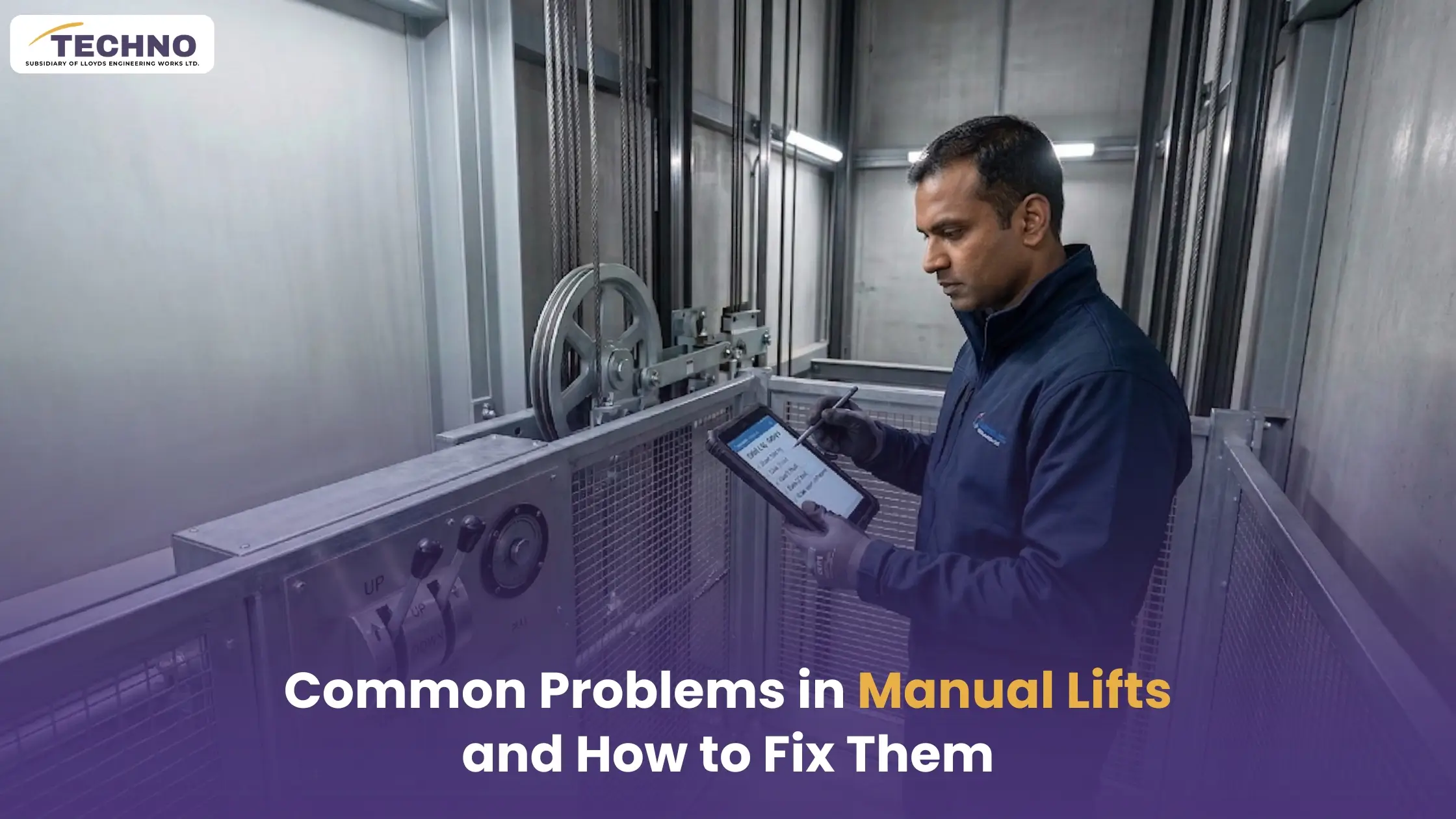
People only start to think about lifts when they experience problems. A platform stops midway. A strange noise appears out of nowhere. Movement becomes uneven. The device, which was designed to make access easier, becomes a source of disruption in regular activities.
Buildings in residential and low-rise areas depend on manual lifts to provide reliable service. The system needs proper maintenance, and operators need to understand its function before they can perform emergency repairs. The information requires your learning because it impacts your responsibility to uphold performance and safety standards while you handle long-term asset management.
Understanding Manual Lifts
A manual lift operates through mechanical systems that use cables and pulleys and hydraulics to move objects. The system presents an easier design than automated systems, yet it needs continuous maintenance from trained professionals.
The residential manual lift system provides builders and facility managers with design flexibility and cost-effective implementation options. The system, however, needs regular maintenance because its simple design will eventually fail through usage. The system needs constant monitoring because early detection of manual home lift problems results in reduced operational costs through effective system management.
Mechanical Jamming and Stuck Platforms
Mechanical jamming represents the primary operational issue that affects all home lift systems. The problem usually happens when debris blocks the lift shaft and guide rails become damaged, and parts fail to maintain their proper alignment.
What to look for:
- Platform stops midway without warning
- Resistance during movement
- Uneven alignment with floors
How to fix:
- Operators need to conduct regular inspections and cleaning procedures for guide rails.
- Moving components should receive lubrication through the application of specified oils.
- Operators need to search for physical barriers that block movement through the shaft.
The system will become completely blocked when users disregard small resistance problems. The basic manual lift troubleshooting method provides a solution that saves time and money before technical issues require professional assistance.
Hydraulic or Cable Malfunctions
Manual lifts operate through two primary systems, which include hydraulic pressure and cable systems. The equipment suffers operational and safety problems when these systems experience breakdowns.
Common signs:
- Sudden drops or inconsistent leveling
- Visible wear on cables
- Oil leakage in hydraulic systems
Solutions:
- Replace worn cables immediately
- Monitor hydraulic fluid levels and quality
- Inspect seals and valves for leaks
These are not areas for guesswork. If the issue persists, structured manual elevator repair becomes essential to prevent system failure.
Unusual Noises During Operation
A lift should not sound like it is arguing with itself every time it moves. Unusual noises are early warning signs.
Typical causes:
- Lack of lubrication
- Loose components
- Worn bearings or pulleys
What you can do:
- Tighten all accessible fittings
- Apply lubrication to moving parts
- Replace worn mechanical components
The elevator maintenance guides contain essential information that people frequently disregard, but the elevator operations produce loud sounds that should draw their attention to the elevator repair tips.
Slow or Jerky Lift Movements
The system requires smooth operation as its fundamental requirement when elevators operate with either slow or jerky movement patterns.
Possible reasons:
- Inconsistent hydraulic pressure
- Motor inefficiency
- Misaligned guide rails
Fix approach:
- Calibrate hydraulic systems
- Check motor performance and connections
- Realign structural components
Addressing these issues early improves user experience and extends equipment life. Effective manual lift solutions always begin with diagnosing motion irregularities.
Electrical Issues and Power Failures
Even manual systems depend on electrical inputs for controls and safety features. Electrical faults can bring operations to a halt.
Common issues:
- Faulty wiring
- Control panel malfunctions
- Sudden power interruptions
Preventive actions:
- Conduct routine wiring inspections
- Install backup power systems
- Ensure proper earthing and load management
The home lift maintenance needs both electrical inspections and mechanical assessments for proper maintenance. Small system faults will cause complete system failures when this maintenance requirement is neglected.
Safety Brake Problems
Safety brakes operate as mandatory requirements. The system requires automatic activation of safety brakes when it detects any operational faults.
Warning signs:
- Delayed brake response
- Unusual stopping distance
- Grinding noise during braking
Corrective steps:
- Inspect brake pads for wear
- Test emergency braking systems regularly
- Replace faulty components without delay
Strong manual lift safety practices depend on fully functional braking systems. This is one area where “we’ll fix it later” is not a strategy.
Door Malfunctions and Alignment Issues
Doors are often underestimated, yet they are one of the most used components in any lift system.
Problems you might see:
- Doors not closing properly
- Misalignment with the platform
- Increased force required to operate
Fixes:
- Adjust door tracks and hinges
- Replace worn rollers
- Ensure proper synchronization with lift movement
Door issues are among the most frequent small home elevator problems, especially in older systems where wear accumulates gradually.
Routine Maintenance to Prevent Common Problems in Manual Lift For Home
The process of maintenance requires ongoing work because it needs continuous management.
The structured maintenance program handles all Manual lift for home requirements because it ensures equipment safety while delivering dependable performance and long-lasting financial benefits.
Essential maintenance practices:
- Schedule trained technician inspections to occur at regular intervals.
- Establish lubrication schedules for all equipment that has moving components.
- Create comprehensive documents that record all service activities.
- Execute component replacements at the point of failure, not at the moment of breakdown.
A well-maintained lift does not just perform better. It builds trust with users. And in residential or public spaces, that trust matters more than people admit.
This is where a solid manual elevator guide becomes useful. Not for theory, but for consistent execution.
When to Call a Professional Technician
There is a line between basic fixes and professional intervention. Crossing it without expertise usually leads to bigger problems.
Call a professional when:
- Issues repeat despite basic fixes
- Safety components show signs of failure
- Electrical faults are involved
- Structural alignment is compromised
Advanced home lift troubleshooting requires tools, experience, and precision. Guesswork at this stage is expensive.
The builders and facility managers need to protect their assets because it requires them to maintain continuous operational status.
The Value of Manual Home Lifts as an Investment Remains Strong
The operational difficulties of manual lifts have not diminished their value as an effective solution. The solution functions particularly well in home environments and buildings that have only one to three stories.
They offer:
- Cost-effective installation
- Design flexibility
- Lower energy dependency
- Long service life with proper care
A well-installed and maintained manual lift for home is not a luxury feature. It is a functional upgrade that improves accessibility, usability, and property value.
For decision-makers, the question is not whether issues will arise. They will. The real question is how prepared you are to handle them.
A lift system is a long-term commitment. It demands attention, but it rewards consistency. When maintained correctly, it becomes invisible in the best way possible. Always there. Always working. Never in your way.
And if it starts making noise again, at least now you know it is not just being dramatic.
Learn the key differences between firefighter elevators and regular elevators, their safety features, emergency use, and how to identify them in buildings.
