What Are Hospital Lifts? Purpose & Importance in Healthcare
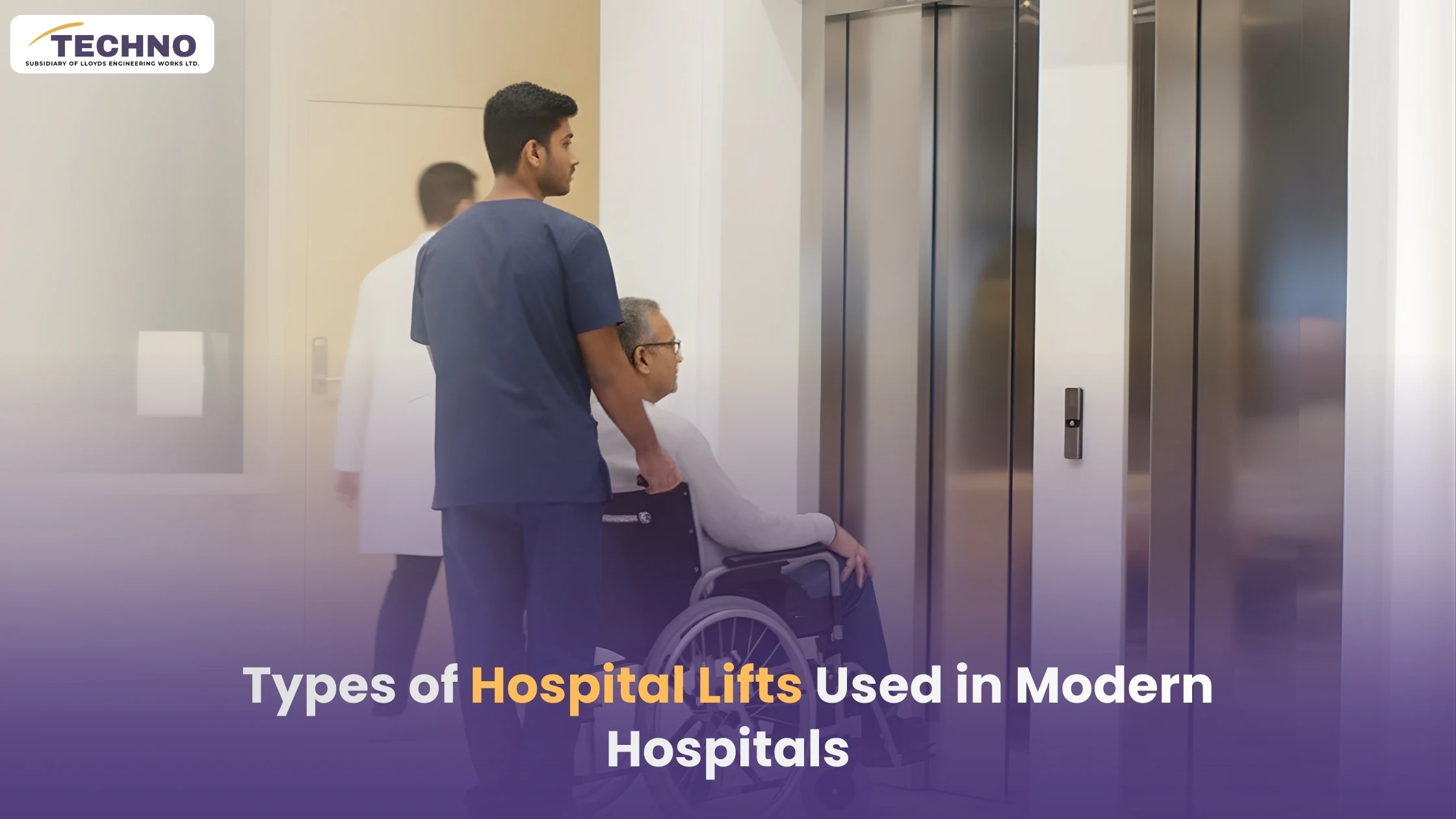
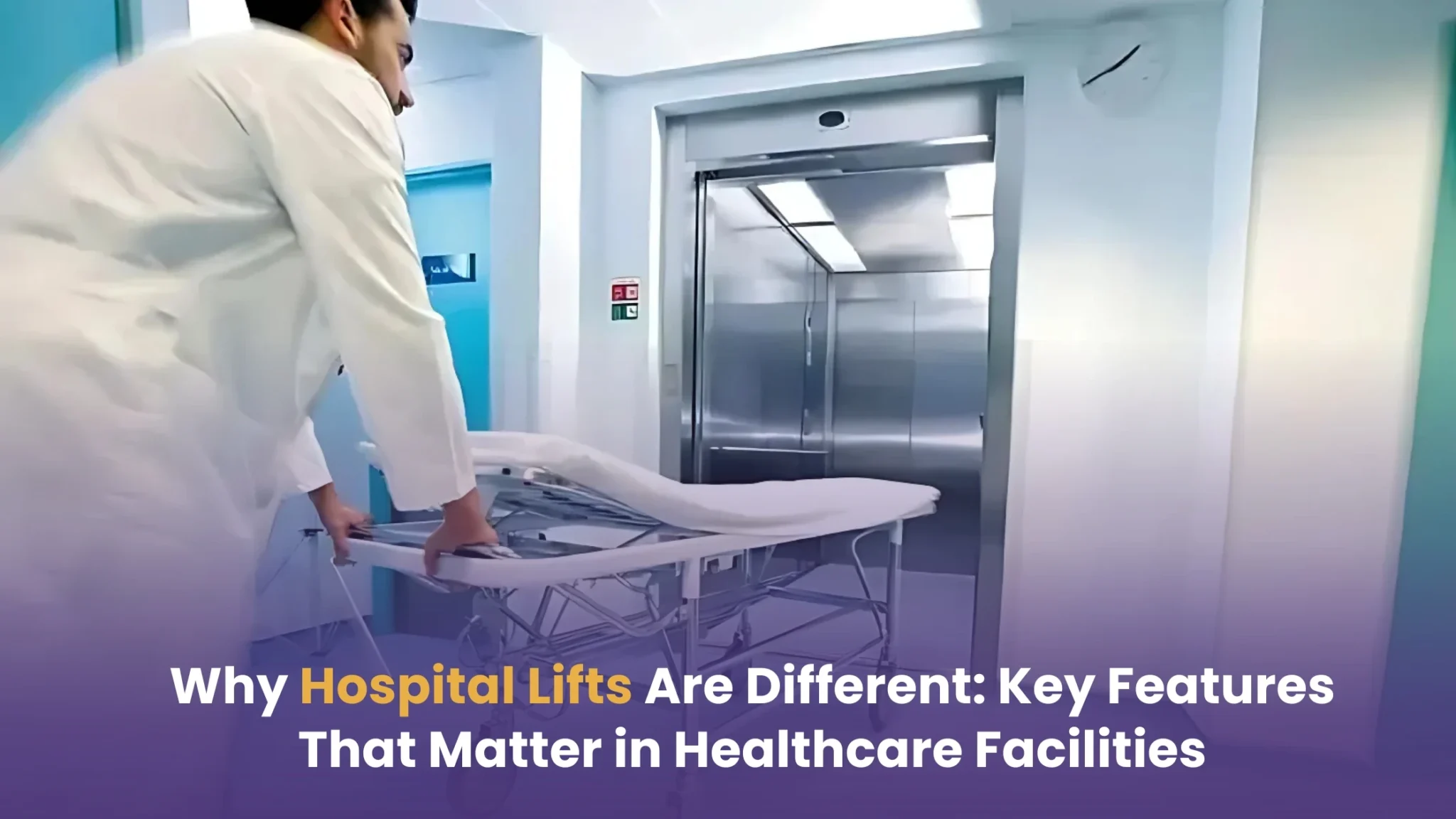
Healthcare infrastructure moves vertically as often as it moves horizontally. Beds roll. Equipment follows. Patients are transferred between departments dozens of times daily. Hospital Lifts exist to manage that pressure without failure. These systems are specialized vertical transport units engineered for medical environments where interruption carries clinical risk.
Reliability matters. Unlike commercial elevators, hospital lifts operate within zero-tolerance safety envelopes defined by EN 81-72 and ISO 21746, with load expectations ranging between 200kg and 400kg depending on patient profiles.
What’s striking is the dependency: delayed transport disrupts surgery schedules, ICU workflows, and emergency response timing. The reality is, hospitals demand platforms that don’t hesitate when a 250kg bed enters the car under emergency conditions.
Patient Lifts: Safe & Comfortable Patient Transportation
What Distinguishes Patient Lifts
Patient movement requires gentler mechanics than public transit systems. Acceleration curves flatten. Deceleration softens. Noise drops. Patient lift hospital designs prioritize stainless steel 316L interiors compatible with pH-neutral disinfectants, preventing microbial persistence after repeated cleaning cycles.
Load cell verification monitors weight changes in real time with ±0.2% accuracy, ensuring overloading doesn’t occur silently. The nuance here — comfort isn’t cosmetic. Sudden jerk forces elevate post-operative risk, particularly for orthopedic and cardiac cases. What healthcare data demonstrates is consistency: smoother rides reduce transfer-related complications.
Patient Lift Specifications
Typical patient lift hospital capacity ranges from 200kg to 350kg, moving deliberately at 0.4–0.8 m/s. Levelling precision stays within ±10mm. That tolerance isn’t arbitrary. Misalignment causes stretcher instability. Techno Elevators’ healthcare expertise reflects these realities through calibrated drive systems that don’t rush movement. Safety is non-negotiable.
Stretcher & Bed Lifts Used in Hospitals
Stretcher Lift Specifications
Stretcher lift design begins with geometry. Platforms extend to 2.8m widths, accommodating attendants without compromise. Reinforced flooring handles 400kg distributed loads repeatedly — 50+ cycles daily. Door openings reach 1.6m minimum, preventing collision damage. What happens in healthcare is predictable: narrow entries delay trauma transfers. Standards prevent that.
Bed Elevator Design
Bed elevator platforms stretch to 2.2m lengths, supporting ICU beds and integrated equipment. Special lowering controls allow micro-adjustments during positioning. Handrails support caregivers during motion.
Put differently, these systems transport care teams, not objects. Techno Elevators hospital lift standards incorporate electromagnetic brake coefficients maintained at 0.35 ±0.05, ensuring secure halts under variable loads. Stretcher lift and bed elevator systems handle heavy lifting quietly, precisely, and repeatedly.
Service & Goods Lifts for Hospital Operations
Hospitals move more than patients. Linen, waste, medication, and diagnostic equipment flow constantly. Service lifts address that workload. Capacities range between 2,000kg and 3,000kg, dwarfing patient units. These hospital elevator systems operate on high-duty cycles exceeding 50 trips daily, built with washable steel finishes and pressure relief valves calibrated to 210 bar.
Notably, separating goods traffic from patient movement reduces contamination risk. Techno Elevators ensures these lifts don’t become operational bottlenecks — downtime costs ₹50,000 to ₹2 lakh per day in major facilities. That’s a reality check administrators don’t ignore.
Operation Theatre (OT) Lifts & ICU Elevators
Operation Theatre Elevator Specifications
Sterility governs OT transport. Operation theatre elevator interiors resist aggressive disinfectants without corrosion. Load capacity reaches 500kg to support surgical tables, staff, and monitoring systems. Backup power sustains a four-hour minimum operation during grid failure.
Emergency descent remains mandatory. Standards are enforced because delays aren’t acceptable when anesthesia windows close.
ICU Elevator Lift Design
ICU elevator lift systems operate under a 98.7% uptime requirement. That number isn’t aspirational — it’s operational. Emergency communication links directly to nurse stations. Battery backup extends to eight hours.
Real-time diagnostics flag faults before failure occurs. Techno Elevators emergency support network responds within 2–4 hours, because no hospital achieves 100% uptime. Redundancy compensates.
Emergency & Fire-Resistant Hospital Lifts
Fire scenarios redefine priorities. Emergency hospital lifts comply with EN 81-72 fire-resistance requirements, halting operation once internal temperatures reach 60°C. Smoke evacuation systems activate automatically. Emergency descent supports 50% rated load minimum.
Manual firefighter overrides exist for extraction scenarios. The reality is stark — emergency response depends on vertical mobility. Techno Elevators pan-India presence supports 24/7 response networks, ensuring these healthcare elevator solutions remain functional during worst-case events.
Zero-failure operation remains impossible. Designing for 99.9% reliability remains mandatory — and achievable.
Hospital Lift Capacity, Size & Design Requirements
Hospital lift capacity varies by function. Single-patient units operate at 200kg. Standard patient transport reaches 300kg. Bariatric care demands 400kg. Service lifts exceed 2,500kg. Platform dimensions follow suit: patient cabins measure 1.8m × 2.4m; stretcher configurations extend to 2.8m × 2.2m.
These aren’t preferences. They’re requirements shaped by clinical workflow. Field experience reveals undersized cabins slow transfers and elevate injury risk. Techno Elevators 30+ years healthcare experience reflects that lesson across 5,000+ installations nationwide.
Safety Features & Infection Control in Hospital Elevators
Active Safety Systems
Active safety doesn’t announce itself — until it’s missing. Four-point load sensors prevent overload. Emergency stops appear in three locations.
Backup power sustains 4–8 hours. Emergency descent handles 50% capacity. Seismic detection halts movement during tremors. Systems are designed to fail safely, not dramatically.
Infection Control Integration
Infection control shapes materials. Stainless steel 316L surfaces resist biofilm formation. Non-porous flooring simplifies cleaning. Antimicrobial handles reduce contact transfer. Optional UV-C disinfection integrates discreetly.
Medical elevator requirements demand compatibility with pH-neutral disinfectants. Techno Elevators compliance certification ensures these features don’t remain optional extras.
Standards, Codes & Regulations for Hospital Lifts
Hospital lift standards exist because negligence caused harm. EN 81-72 mandates testing at 110% rated load. ISO 21746 governs hospital safety integration. IEC 60204-1 enforces electrical protections. IS 4522-2021 introduces India-specific hospital modifications.
Compliance verification includes annual certification, quarterly load testing, and monthly inspections. Some argue that compliance slows operations. True, briefly. The alternative? Regulatory action, liability exposure, reputational damage.
Techno Elevators’ hospital lift standards align fully with these frameworks, supported by third-party audits. Standards matter. Significantly.
How to Choose the Right Type of Lift for a Hospital
Selection begins with patient demographics — pediatric, geriatric, and bariatric. Traffic volume follows. ICU differs from general wards. Space constraints influence shaft design. Emergency requirements dictate redundancy.
Infection control drives material choice. Budget planning considers installation and five-year AMC costs. Hospital lifts type aren’t interchangeable. Techno Elevators complete healthcare solution begins with facility assessment, load analysis, and traffic simulation. Installation completes within 14–21 days.
A two-year warranty follows, supported by extended AMC and emergency response. Hospital elevator system selection isn’t glamorous. It’s foundational. One partner. Every vertical solution.
Technical Comparison Overview
Lift Type | Capacity Range | Platform Size | Key Standards | Typical Use Case |
Patient Lift | 200–350kg | 1.8m × 2.4m | ISO 21746 | Ward transfers |
Stretcher Lift | Up to 400kg | 2.8m × 2.2m | EN 81-72 | Emergency transport |
Bed Elevator | 400–500kg | 2.2m length | IEC 60204-1 | ICU movement |
Service Lift | 2,000–3,000kg | 2.2m × 2.0m | IS 4522-2021 | Logistics |
What healthcare facilities demonstrate is simple. Hospital Lifts aren’t background infrastructure.They’re clinical enablers.
Techno Elevators positions itself not as a product supplier, but as a long-term healthcare partner — manufacturing, installation, AMC, modernization, emergency support — delivering reliable, future-ready vertical mobility where patient safety depends on every movement.
Techno Elevators understands that hospital lifts represent critical healthcare infrastructure — units designed not for convenience, but for continuous patient safety, infection control, and regulatory survival across 1.2 million annual patient movements in large facilities.
When it comes to designing lifts for hospitals, the engineering goes far beyond just transporting people from one floor to another. In …